
Thematic Programme / Areas of Focus
➢ Sustainable Health.
➢ WASH.
➢ Youth Empowerment.
➢ Education.
➢ Community Physical Infrastructures.
➢ Emergency Response and Preparedness.
➢ Women Empowerment.
➢ Democracy.
What DPDN Does?
Influenced by the new development paradigm, which puts people before things, DPDN follows a participatory approach in every sphere of its work. The traditional knowledge of the rural poor is valued and respected, and there is confidence that rural people are capable of self-reliant organization. On a practical level, the fundamental thrust of this approach is decentralization and empowerment.
For a community to work towards its own development and reduce dependency, full involvement at all stages of the development cycle is essential. The participation of communities in the identification, planning, management, implementation, and evaluation of projects is a key factor in DPDN's work. Internally, a participatory approach is adopted in managing DPDN's affairs.
Externally, DPDN role as a “change agent” helps to develop community management structures that are capable of managing their own development. This increases the ability of the community to demand accountability in all their affairs, from leaders and officials. It reinforces the community's belief in the value of their own development choices and efforts. These community management structures are not parallel structures, but are built upon traditional institutions, promoting equitable representation and participation.
Human resource development is a crucial part of our work. This involves ensuring that the community is trained, skilled, and organized to maximize its potential and take control of its own development. DPDN strongly believes in maximizing its impact by transferring field experiences into knowledge to influence the development policies and practices of NGO's, donors and government agencies. This is important for working towards the long-term goal of eradicating poverty.
Scope of Work
DPDN has strong linkages with major Governments, NGOs and funding agencies working in the Republic of Somalia. It has undertaken initiatives in arid and semi-arid districts with special reference to Dollow, Luuq, Bardhere, Beled xawa and Ceelwaq districts by collaborating with local NGOs and CBOs. DPDN enjoys a rich experience of working in the diverse socio-cultural environment of the Republic of Somalia and extensive networking with the National & Regional States, civil society institutions, media and political parties.
Community/Social mobilization:
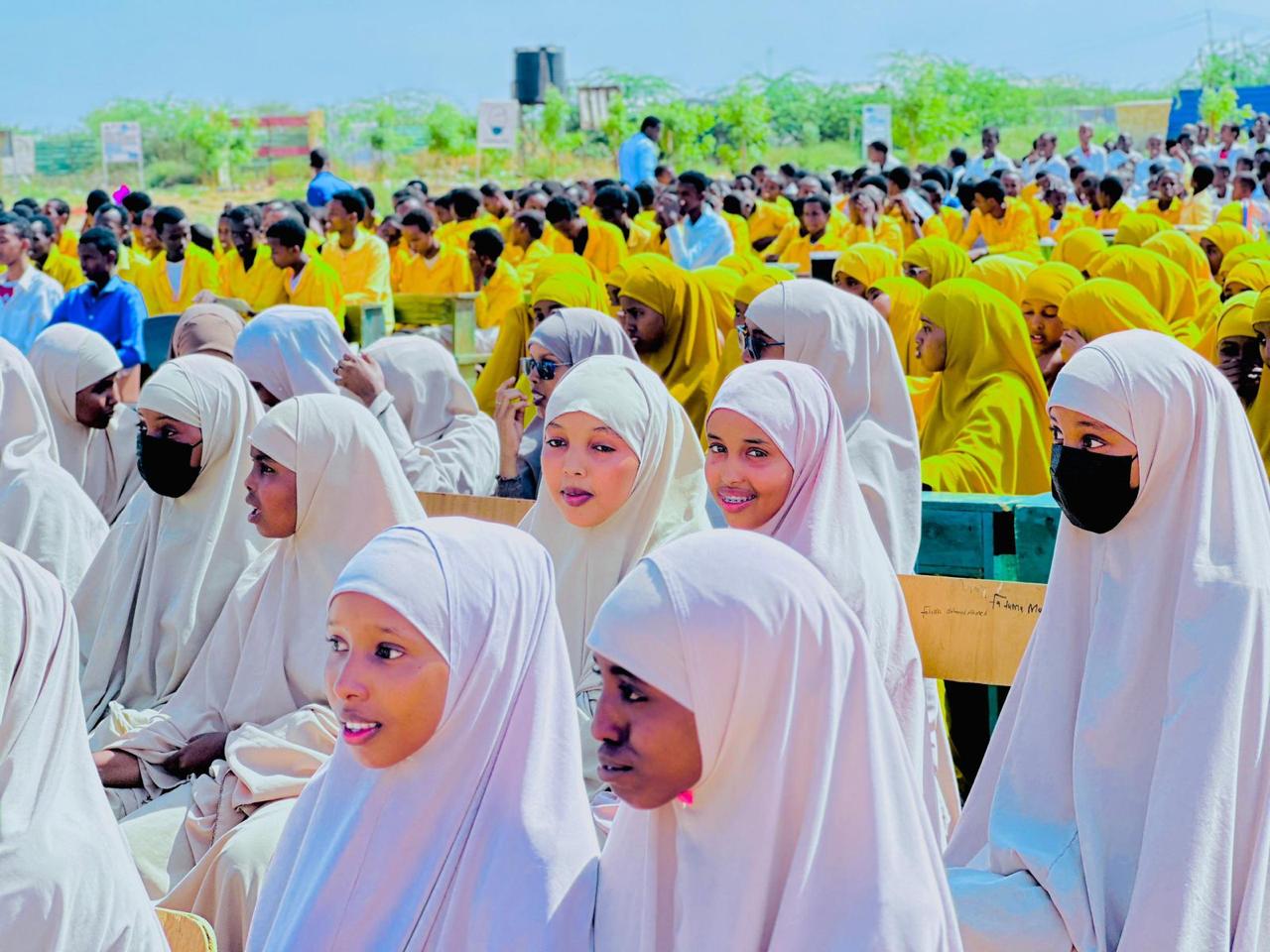
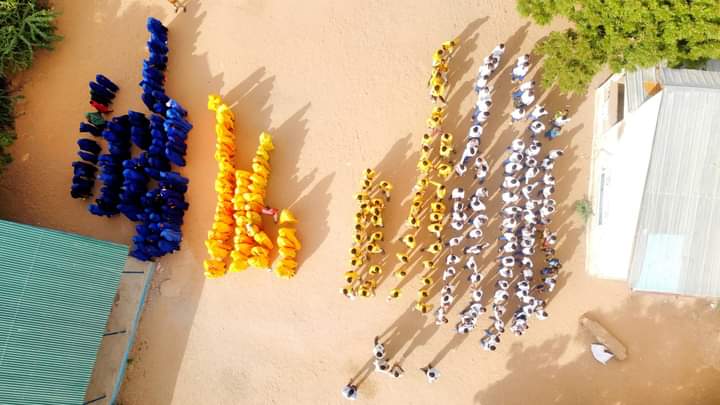
DPDN while implementing its programme/projects as a first step undertakes community mobilization to raise awareness in the community on health and hygiene, the importance of education in modern-day affairs, gender-related issues, socio-economic development, and environmental protection. For this purpose, DPDN management holds meetings with the community members, conducts training/capacity building sessions and also launched campaigns.
Advocacy:
DPDN’s advocacy plan is achieving better results in the field of social/rural/community development, DPDN also believes in advocacy and therefore, the management has always strongly advocated for the issues related to DPDN. For achieving this objective, DPDN through its strong advocacy as approached the line departments of the Government of the Republic of Somalia, NGOs, CBOs, Civil Society Organizations (CSOs), members of the community, notables and DPDN has always promoted the rightbased approach and supported the dialogue as an important tool for achieving the above-mentioned objectives.
Service delivery:
DPDN us a strong believer of delivering the services in effective and efficient way in the fields of health, education and most crucially the environment. For this purpose, DPDN management has always delivered services in the communities in a transparent manner taking care of quantity and quality. It is only because of this very reason that the DPDN interventions have always helped in meeting the community’s needs and achieving the desired objectives.
Net Working:
DPDN has always promoted networking with other NGOs, CBOs, CSOs, media groups and concerned stakeholders for achieving the goal of sustainable development. Networking with other organizations hasalways proved very productive by playing as a medium between the service providers and those at the receiving end. Networking basically provides an opportunity for looking at the issues from different angles i.e., from local, national, and finally regional levels. At every level the perspective of the issue changes, which then helps in comprehending the issue.
Reproductive Health and HIV Prevention.
- ➢ This thematic area entails the following important features for development:
- ➢ Establishment of community health centers in remote areas where people don’t have access tohealth facilities.
- ➢ Develop awareness campaignsfor HIV prevention, reproductive health; life skills-based educationand sexual rights.
- ➢ Develop immunization programs for venereal diseases and epidemics.
- ➢ Organizing events for public health along with the government.
Child Protection
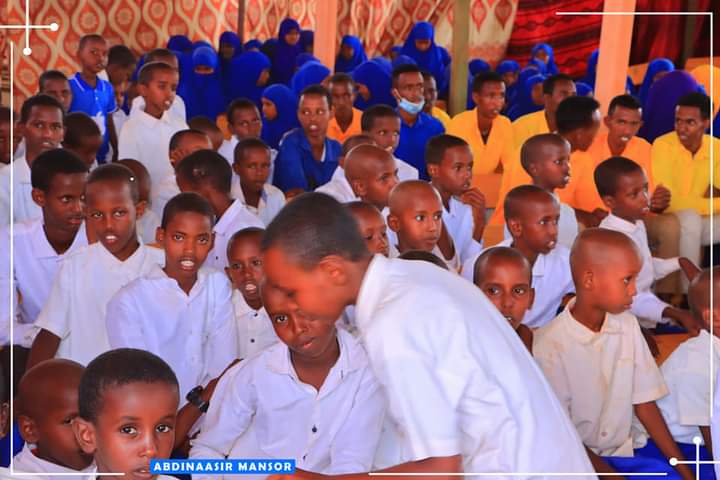
- ➢ Under thistheme DPDN focuses on the holistic development of children its protection and rights,following interventions are planned over the time:
- ➢ Child rights education and protection awareness at different levels and among differentstakeholders.
- ➢ Development of safe learning places for children at schools, hospitals, and community centers.
- ➢ Children confidence-building programs, walks, sessions, campaigns, and training inter-class competitions.
- ➢ Development of children groups and developing leadership skills in them.
Women Empowerment
Women Empowerment aims at promoting women to take the lead role in democratic norms and
culture in the operational area. Two types of activities are undertaken in this theme: one aims at
building the capacities of women and communities and their groups to engage effectively with
government and otherstakeholders for getting their constitutional and legal social, economic and
political rights, the other aims at working directly with state institutions for creating an
environment that can guarantee the rights of women citizens. It also focuses on enhancing
women’sincome generation skillsthrough capacity buildingand microcredit. Under this program
following sub-activities are also conducted:
➢ Formation of local women groups and their capacity building.
Community-Based Infrastructure
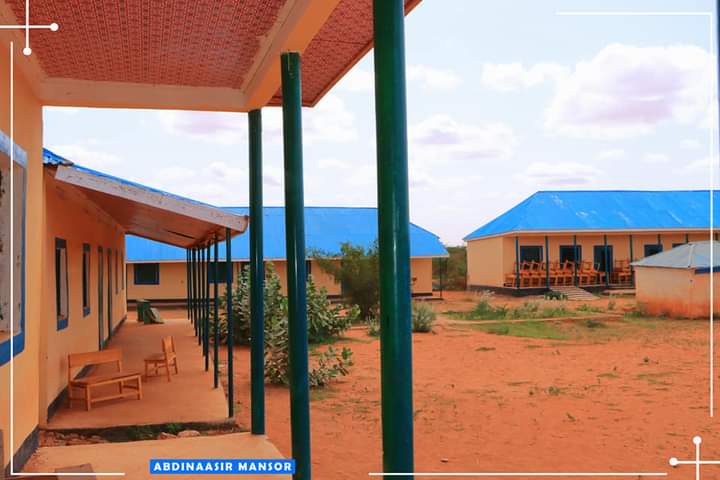
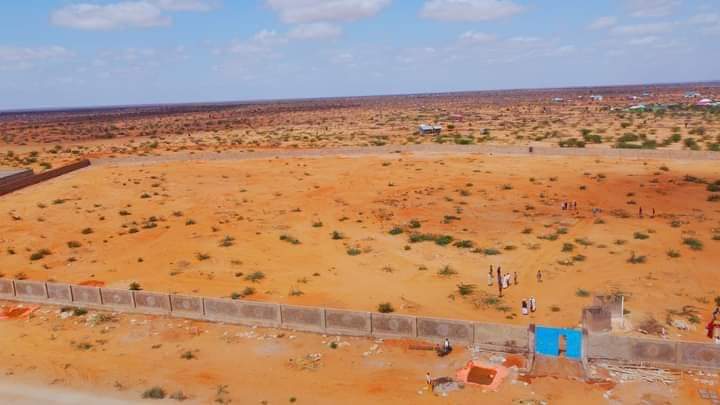
Under Community Based Infrastructure development, a wide variety of construction and rehabilitation of rural infrastructure schemes through community participation. Some examples are the construction of GEDO REGIONAL HOSPITAL, Construction of Doloow Secondary School, Duroow Primary School, Geedweyne Primary School, underground village drainage schemes, community latrines, watercourse lining, tube wells, and brick pavement in villages. Payment of salaries for 48 teachers.